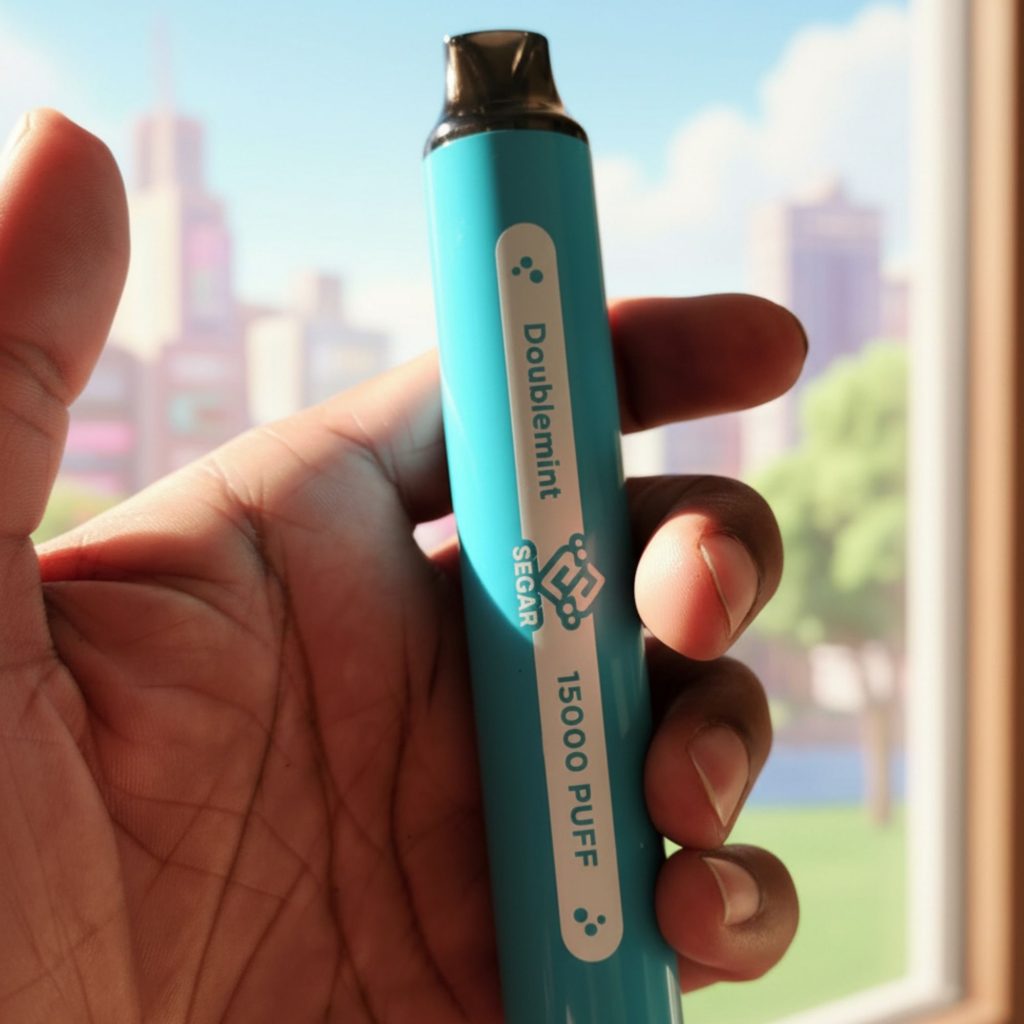



The Department of Health and Social Care published a consultation in July containing an unusual, unexpected collection of words for a government document concerned with the perils of nicotine addiction. Brownie is in there, along with cheesecake, chocolate, candy, bubblegum, and cola. Unicorn Dream also makes an appearance, although that one is being considered under a slightly different category of offense.
Hopefully, the unicorn references render the following clarification unnecessary, but for the avoidance of doubt, none of these things are being prohibited as food. The government is considering whether their names should be allowed on vape packaging.
The proposal forms part of the regulation now being developed under the Tobacco and Vapes Act, which became law in April. Ministers want vaping products to become less attractive to children, and flavor descriptions are one of the areas they have decided to attack.
Fair enough, and for the record, we agree entirely, as do most people in the vape industry. Under the new regulations, manufacturers would generally be expected to use a simple description of a recognizable flavor, while names associated with confectionery, desserts, drinks, or assorted marketing nonsense could be restricted. Mint Blast, for example, is cited as an example of the sort of sensory description the government has in mind.
Before anybody becomes too enraged about this being administered by a growing nanny state, it is worth pointing out that the vaping industry supplied some fairly convincing evidence for the prosecution. There have been products whose names and packaging looked absurdly juvenile, and manufacturers who chose to decorate nicotine products like sherbet fountains should hardly be astonished that politicians eventually noticed.
An industry selling an age-restricted product has responsibilities, and pretending otherwise is not a particularly serious position.
What the Government Is Actually Proposing
The interesting part begins when regulation moves from preventing childish marketing to deciding which flavors sound sufficiently grown-up.
At present, the consultation concerns flavor descriptions rather than a straightforward ban on the ingredients producing those flavors. The government says work on ingredients and other possible restrictions is continuing separately. It is therefore entirely possible that a liquid resembling cheesecake could remain lawful while the word “cheesecake” disappears from the label, which would be an impressive victory over the written word without necessarily inconveniencing the cheesecake itself.
The assumption behind some of this is easy enough to understand. Sweet things appeal to children, therefore removing sweet-sounding names ought to reduce the appeal of vaping to children. Again, fair enough. Unfortunately, adults have spent several thousand years demonstrating a similar enthusiasm for sweet things, and the current vaping figures make the distinction a bit awkward.
Action on Smoking and Health’s 2026 survey found fruit flavors used by 60 percent of adult vapers in Great Britain. Among 11- to 17-year-olds who currently vape, the figure is 61 percent. That is about as close as survey data ever gets to telling policymakers to find a better dividing line. Sweet flavors show a more meaningful difference, at 16 percent among younger users compared with 6 percent among adults, so there is plainly room to argue about the more confectionery end of the market.
But what the figures do not support terribly well is the notion that enjoyable flavor is itself evidence of a product being intended for children.
Britain applies this idea rather selectively, in any case. It has spent years turning gin into liquid fruit salad, coffee into pudding, and protein powder into something called Birthday Cake Supreme without anyone from the Department of Health demanding that middle-aged consumers return immediately to juniper, Nescafé, and boiled chicken. The adult drinks industry can put rhubarb, marshmallow, salted caramel, or whatever else it likes on the label and is generally congratulated for innovation. Add nicotine, however, and an interest in cheesecake suddenly begins to look rather sinister.
Nicotine obviously changes the public-health calculation. It is addictive, it should not be sold to children, and responsible retailers should expect proper enforcement of age restrictions. But none of that alters the demonstrably inconvenient reality that adult smokers who switch to vaping often prefer something that does not taste like the cigarettes they have just stopped smoking.
That is how the market for e-liquids that UK consumers encounter became so varied in the first place. Tobacco flavor has fallen to just 9 percent of adult preferences, compared with 33 percent a decade ago, while fruit has moved decisively in the opposite direction. The people making those choices include millions of former smokers, not merely adolescents skulking behind leisure centers.
The Parts That Are Harder to Regulate
There is a broader political habit at work here which extends well beyond vaping.
British public health has become increasingly comfortable with the idea that an adult may be allowed a vice provided it is made sufficiently ugly, expensive, or embarrassing. Cigarettes disappeared behind shutters and acquired photographs of diseased organs. Alcohol carries increasingly stern warnings. Food arrives with traffic lights explaining that the delicious thing one has deliberately purchased contains fat. None of this is necessarily irrational, but it does reveal a particular philosophy of adulthood in which informed choice is tolerated more enthusiastically when the choice itself looks miserable.
Vaping creates a problem for that philosophy because government policy still acknowledges that it can help smokers quit and is less harmful than smoking. Officials are therefore regulating a product they do not actually want to eliminate, used substantially by people whose behavior they would like to encourage, while simultaneously attempting to drain it of the characteristics that made many of those people prefer it to cigarettes.
Some restrictions will probably be sensible. Packaging aimed at children should disappear, and retailers selling to minors deserve more attention than they have sometimes received. The consultation also proposes plain packaging, restrictions on device appearance, and tighter rules around shop displays, all of which can at least be debated on their likely effect rather than treated as self-evident wisdom.
But the fascination with flavor names suggests that policy is drifting toward the easier end of enforcement. It is considerably simpler to inspect a bottle and object to the word “brownie” than to deal consistently with illegal sales, social-media promotion, and shops prepared to ignore age restrictions. One produces a tidy regulation and an easily recorded breach; the other involves the tedious business of finding the people who were breaking existing rules before Parliament supplied them with several new ones.
The consultation closes in October, so cheesecake has not yet been convicted of anything, and whether removing its name from a bottle prevents teenagers from vaping is a question the government will eventually have to answer with evidence rather than typography.